An e-wallet can be a convenient way to fund casino play, but its cost is spread across several small charges that are easy to overlook. Understanding e-wallet fees means knowing where they can appear and how to find the real total before paying. A measured overview of one such wallet, Payz, can be read at https://payzkasinot.net/fi-fi/. This article explains, in neutral terms, the common fees and how to read them.
Where fees can appear
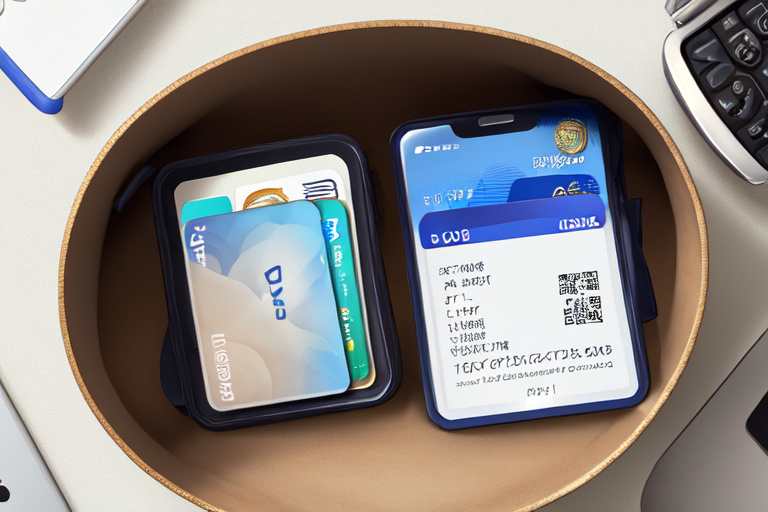
An e-wallet sits between a bank and a casino, and a charge can arise at more than one of those points. Loading the wallet from a bank or card may carry a fee, and some methods of topping up cost more than others. A withdrawal from the wallet, or moving money on to a bank, can also attract a charge depending on the method and the amount. Converting between currencies is a common and easily missed cost, applied when the wallet holds one currency and the casino uses another. Some wallets add an inactivity fee if an account goes unused for a long period, which is worth knowing for an account kept but rarely touched. The casino itself may also set its own fees on certain transactions, separate from the wallet’s. For a related look at digital asset transfers, explore this guide to token bridge standards and the differences between ERC-20, ERC-721, and ERC-1155 implementations. The short explainer below covers how such charges work in general, and the table gathers the common ones.
| Fee point | What it is | What to note |
|---|---|---|
| Loading | Funding the wallet | Varies by method |
| Withdrawal | Out of the wallet or to a bank | May depend on amount |
| Conversion | Between currencies | Easily overlooked |
| Inactivity | On a dormant account | After a long gap |
How to find the real cost
The practical step is to total the fees across the whole journey rather than looking at any single one, because a wallet that is free to load may still charge to withdraw or to convert. The wallet’s own fee schedule, usually published on its site, is the authoritative source, and reading it alongside the casino’s banking page shows where each side applies a charge. For anyone playing in a currency the wallet does not hold, the conversion cost often matters more than the headline transfer fees, so it is worth checking the rate as well as any flat fee. Keeping only a modest balance and using the account regularly avoids both the temptation to overspend and any inactivity charge. None of these fees changes the games, where the house edge applies regardless of how a deposit is funded; they are the cost of moving money, not part of the play. Seen clearly, the true cost of an e-wallet is the sum of its small charges over a typical pattern of use, and a few minutes with the fee schedule makes that total visible in advance rather than a surprise later.
What to keep in mind
A few points help with wallet fees:
- Charges can appear at loading, withdrawal and conversion.
- An inactivity fee may apply to a dormant account.
- Read the wallet’s fee schedule and the casino’s banking page.
- Fees are the cost of moving money, not part of the game.
A balanced view
E-wallet fees are the sum of several small charges, so totalling them across a typical use shows the real cost, and none of it changes the games, where the house edge applies and no method guarantees a profit. The wider subject is described under e-commerce payment system. This is an information site and not an operator; the above reflects the platforms’ and the payment method’s own statements and is not an independent check. Gambling can be harmful, local rules and the regulations in force in each jurisdiction should always be observed, with content of this kind restricted to adults. If gambling ever stops feeling like entertainment, support is available from services such as Gambling Therapy.
Leave a Reply